
LOAD ITUPLTD
Considered technology.
Connected thinking.
A practical perspective on the systems, software,
and workflows that keep a business moving.
ILLUSTRATIVE WORKSPACEFIELD NOTES — 001
Technology should bring
things together.
Not get in the way.
LOAD IT UP LTD is an IT company focused on the connections between business needs and technical systems. We take a measured view of what is in place, what needs to change, and what comes next.
Our starting point is clarity: understanding the problem, defining a sensible scope, and keeping the work understandable for the people who rely on it.
The parts.
And the bigger picture.
From an initial review to ongoing upkeep, these are the areas around which we shape a project conversation.
IT consulting
A clearer view of your technology.
Systems integration
Separate systems. Shared purpose.
Infrastructure support
Attention to the foundations.
Workflow automation
Less repetition. More continuity.
Technical maintenance
Care beyond the initial delivery.
These service categories are draft positioning. Specific capabilities, scope, and delivery terms are confirmed for each engagement.
When the pieces
don’t quite fit.
Useful technology work begins with understanding where everyday friction comes from.
Disconnected tools
Information lives in separate places, and moving it between systems means extra work. We can help explore the connections and dependencies.
Repetitive processes
The same steps happen again and again. Mapping a workflow can reveal where a considered change or automation may be worthwhile.
Unclear foundations
Systems have grown, but the documentation has not kept up. A structured review can help clarify configurations, ownership, and priorities.
Good work starts
below the surface.
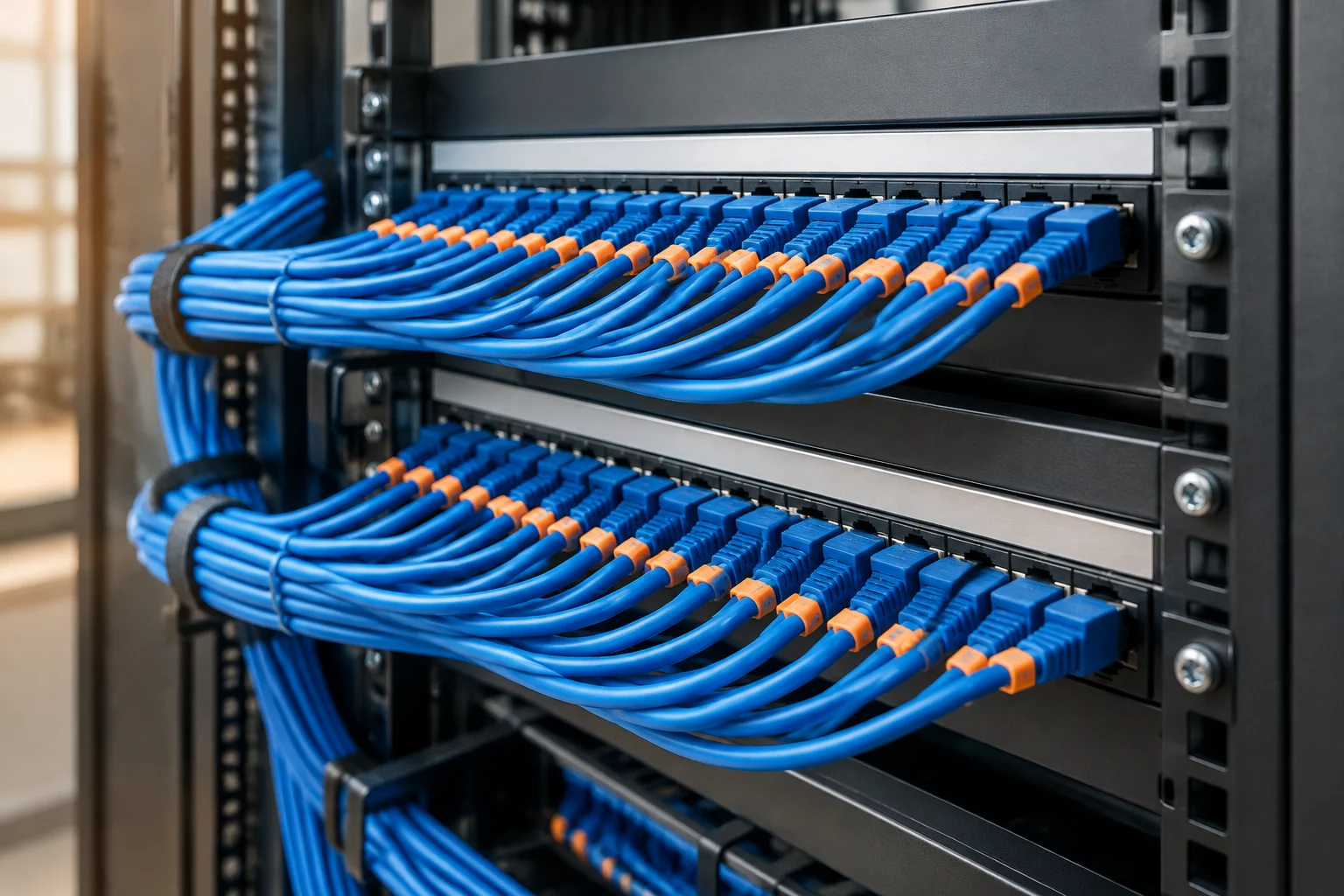
Networks, environments, and configurations form the foundations of day-to-day technology. Understanding how they fit together is an important first step before making changes.
We consider dependencies, existing constraints, and the people responsible for keeping those systems running.
Connections that make
sense in practice.
An integration is more than a connection between applications. It needs a clear purpose, an understood flow of information, and a plan for what happens when something changes.
We look at the whole workflow: inputs, handoffs, dependencies, and exceptions. The aim is to define an approach that people can understand and maintain.
A clear path.
Not a black box.
Work is easier to follow when decisions, responsibilities, and next steps are visible.
Understand
Discuss the context, review what exists, and identify the problem worth addressing.
Define
Agree the scope, dependencies, responsibilities, and a practical approach.
Implement
Work through the agreed changes, with review points and documented decisions.
Hand over
Explain the result, record the configuration, and clarify the next steps.

Delivery is a moment.
Continuity is a practice.
Technical systems continue to evolve after a project is complete. Updates, configuration reviews, and useful documentation all have a place in their ongoing care.
Maintenance scope, availability, and response expectations are discussed and agreed separately. No fixed service level is implied.
A few things
worth knowing.
What kind of work can we discuss?
IT consulting, systems integration, infrastructure support, workflow automation, and technical maintenance are our draft areas of focus. The suitability and scope of any work are confirmed through a project conversation.
Can we start with an existing system?
Yes, an inquiry can begin with the systems you already use. Describe the current setup, the difficulties you are encountering, and any constraints that a potential project should consider.
How are projects scoped?
A project starts with understanding the requirements and dependencies. Deliverables, responsibilities, timing, and commercial terms need to be agreed before work begins.
Is ongoing maintenance included?
Maintenance is not assumed to be part of every project. Any ongoing work, response expectations, and support arrangements are defined separately.
What should a first inquiry include?
A short overview of your business context, the systems involved, the problem to address, and any relevant timing or constraints is a useful starting point.
Start with
a conversation.
Tell us what you’re working on,
and where technology needs to help.